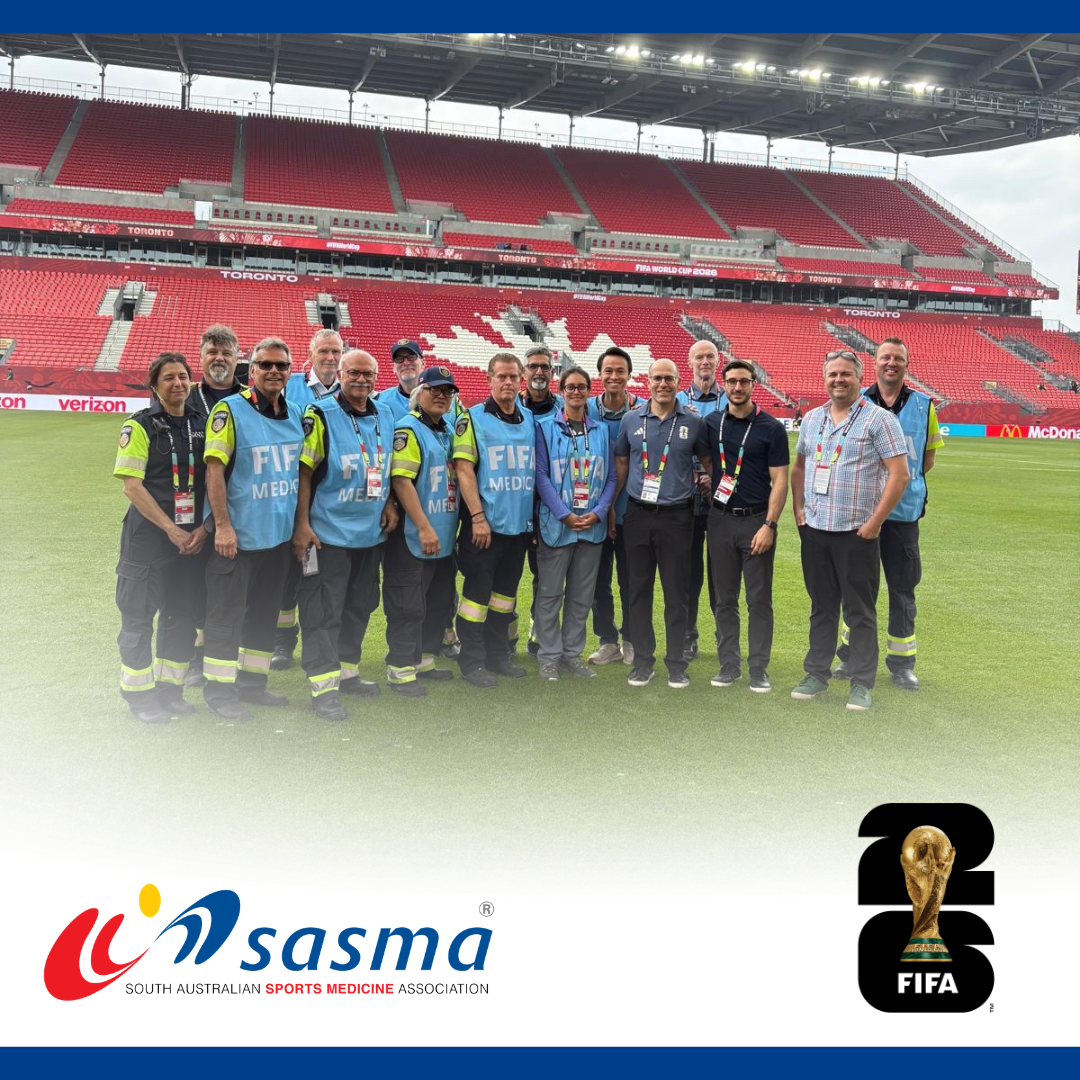
Dr James Ilic FIFA World Cup Doctor
Summary of Interview with James (FIFA Match Doctor)
Role and Responsibilities:
- James is a FIFA match doctor, part of an on-field emergency medical team including paramedics and an emergency physician.
- His team handles serious on-field emergencies such as cardiac events, spinal injuries, and major trauma.
- They also monitor matches (via tablet replay) for concussion signs and assist team doctors with advice.
- Responsibility for players ultimately remains with team doctors, while James’ team provides support and handles player extraction when needed.
Career Path and Experience:
- James became involved through his background in football medicine in Australia, including work with national teams.
- His first FIFA role was at the Women’s World Cup in Adelaide, which led to further opportunities.
- He has worked at:
- 1 Women’s World Cup
- 2 Men’s U17 World Cups
- The Paralympics
- Now his first senior Men’s World Cup
Approach to Major Events:
- He views participation as a privilege, but emphasises staying focused on the job.
- Match doctors must remain neutral and professional, not supporting any team.
Impact of Professional Networks:
- His long involvement with SASMA has helped build valuable connections.
- He highlights the importance of multidisciplinary collaboration (physios, dietitians, psychologists, etc.).
- Networking is a key factor in career progression in sports medicine.
Advice for Aspiring Professionals:
- Do your job well – performance determines future opportunities.
- Build strong relationships – networks are critical in sport.
- Start at grassroots level – don’t expect to jump straight into elite roles.
- Progress step-by-step – early community involvement can lead to higher-level opportunities.
- Maintain good relationships with everyone in sport (players, coaches, parents, staff).
Future Outlook:
- Future assignments depend on FIFA selection, typically confirmed 3–6 months in advance.
- Opportunities may span different competitions (men’s, women’s, youth).
Key Takeaway:
- Success in sports medicine comes from competence, consistency, and strong professional relationships, with organisations like SASMA playing an important role in connecting people across the field.