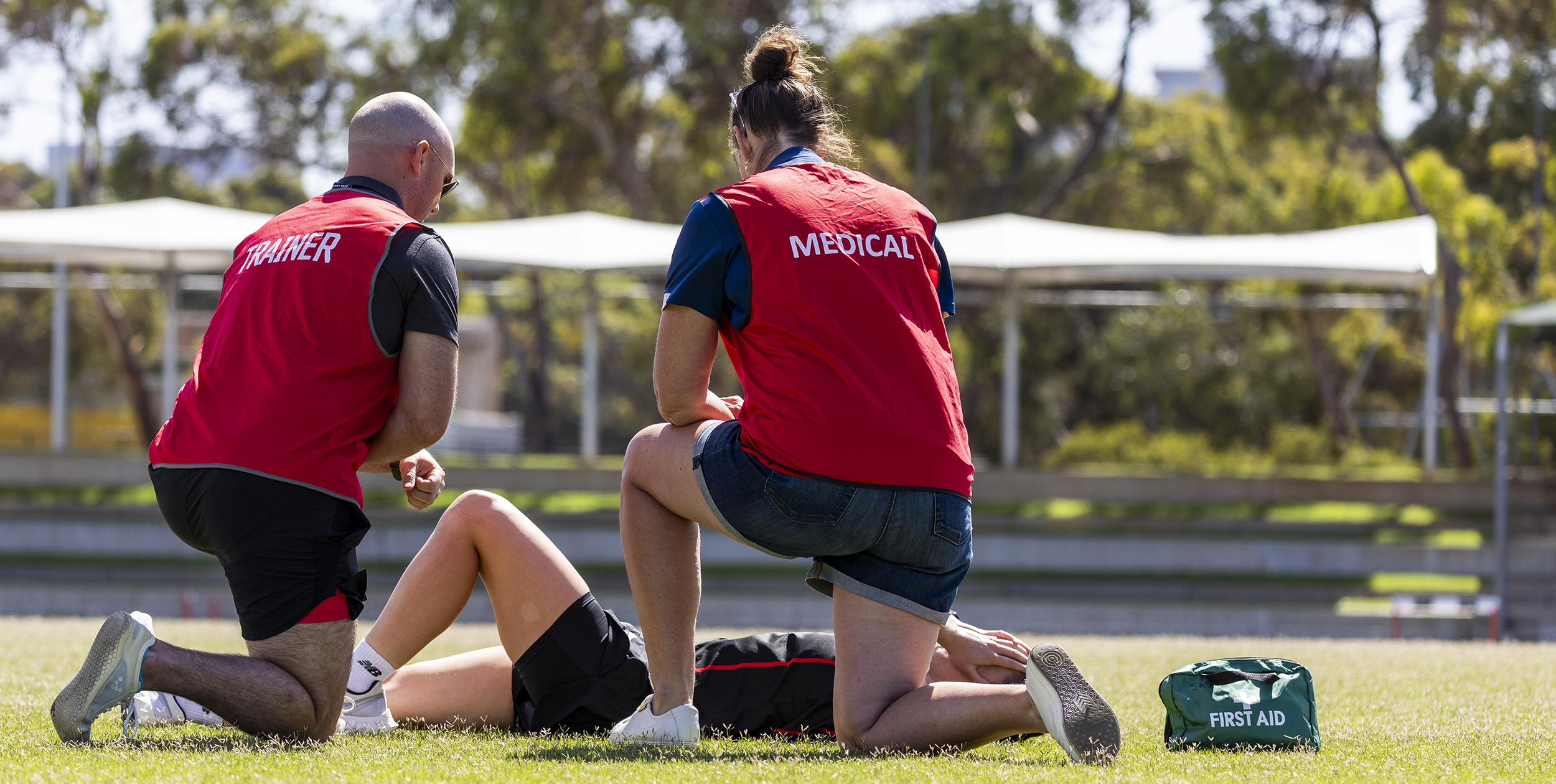
Women's Health; Just keep moving
Find the right support, keep moving and stay connected to sport and physical activity.
There will be times when life’s demands, health concerns or changing circumstances impact how you participate in sport and physical activity. That’s normal.
What matters is knowing that there are many ways to stay connected.
Whether you’re looking for expert support, a modified way to be active, or opportunities to contribute from the sidelines as a coach, volunteer or official, this section can help. Explore resources that support lifelong involvement in sport and recreation, and help you find environments that are safe, welcoming and inclusive.
- Check the Australian Health Practitioner Regulation Agency register of practitioners to find practitioners who are registered to practise in Australia.
- Find an Accredited Practising Dietitian using the Dietitians Australia search tool.
- Check the Australian Register of Active Health Professionals for qualified exercise and activity professionals.
- Tips to help you choose an physical activity provider, Better Health.
- Find an activity in SA on the Community SA directory.
- Use the Office for Recreation, Sport and Racing directory to find ways to Get Active.
- Find an accredited exercise professional on the Exercise & Sports Science Australia directory.
- Find a Good Sports Club, the Good Sports program supports Australian clubs to create safe & healthy environments.
- Your guide to getting active for Autistic and ADHD teens.
- AFL Health & Wellbeing Hub, find lots of information on Women’s Health, Mental Health, Safety & Inclusion and more.
- She Hoops, building a better future for women and girls in basketball.
- Office for Recreation, Sport and Racing invest in pathways for girls and women in sport.
- Shaping attitudes: exposure to women coaches and officials
- Office for Recreation, Sport and Racing grant opportunities.
- Marjorie Jackson-Nelson Centre for Women’s Sport Program supports and empowers female athletes, coaches, officials, administrators, board members, volunteers and support members to play, lead and contribute to sport for future generations.
- Check out each state sporting organisation (e.g. SANFL, Basketball SA, SA Cricket Assoc) for pathways to becoming umpires, referees, officals etc.
- Become a sports trainer and play a vital role in community sport, helping people participate safely while supporting clubs, schools and sporting organisations on training and game days.
- Athletics Australia Coaching Resources and articles. Note you need to be an athletics coach to access some of the learning.
- Professor Clare Hanlon is dedicated to accelerating progress for women in sport, read about Clare’s work at Victoria University.
- Increase your knowledge through the AIS Female Performance and Health Initiative.
Myth Busting
Staying active as you age is one of the best things you can do for your health. Regular exercise and sport can help maintain strength, balance, bone health, and independence, reducing the risk of injury and chronic disease. The key is choosing activities that suit your fitness level and progressing gradually.
Strength training helps women build strength, improve bone health, and boost confidence. Most women do not naturally produce enough testosterone to develop a bulky appearance. Instead, strength training typically leads to a stronger, leaner, and more toned body.
Mild discomfort during your period can be common, severe pain that affects your daily life is not something you should have to just put up with. Painful periods can be a sign of conditions such as endometriosis or adenomyosis, and it’s important to seek medical advice if symptoms are impacting your wellbeing.
For most women, staying active during pregnancy is safe and beneficial. Regular exercise can help improve strength, reduce aches and pains, boost energy, and support a healthy pregnancy. Always speak with your healthcare provider about the activities that are right for you.
Staying active as you age is one of the best things you can do for your health. Regular exercise and sport can help maintain strength, balance, bone health, and independence, reducing the risk of injury and chronic disease. The key is choosing activities that suit your interests and fitness level and progressing gradually.
Courses and Events
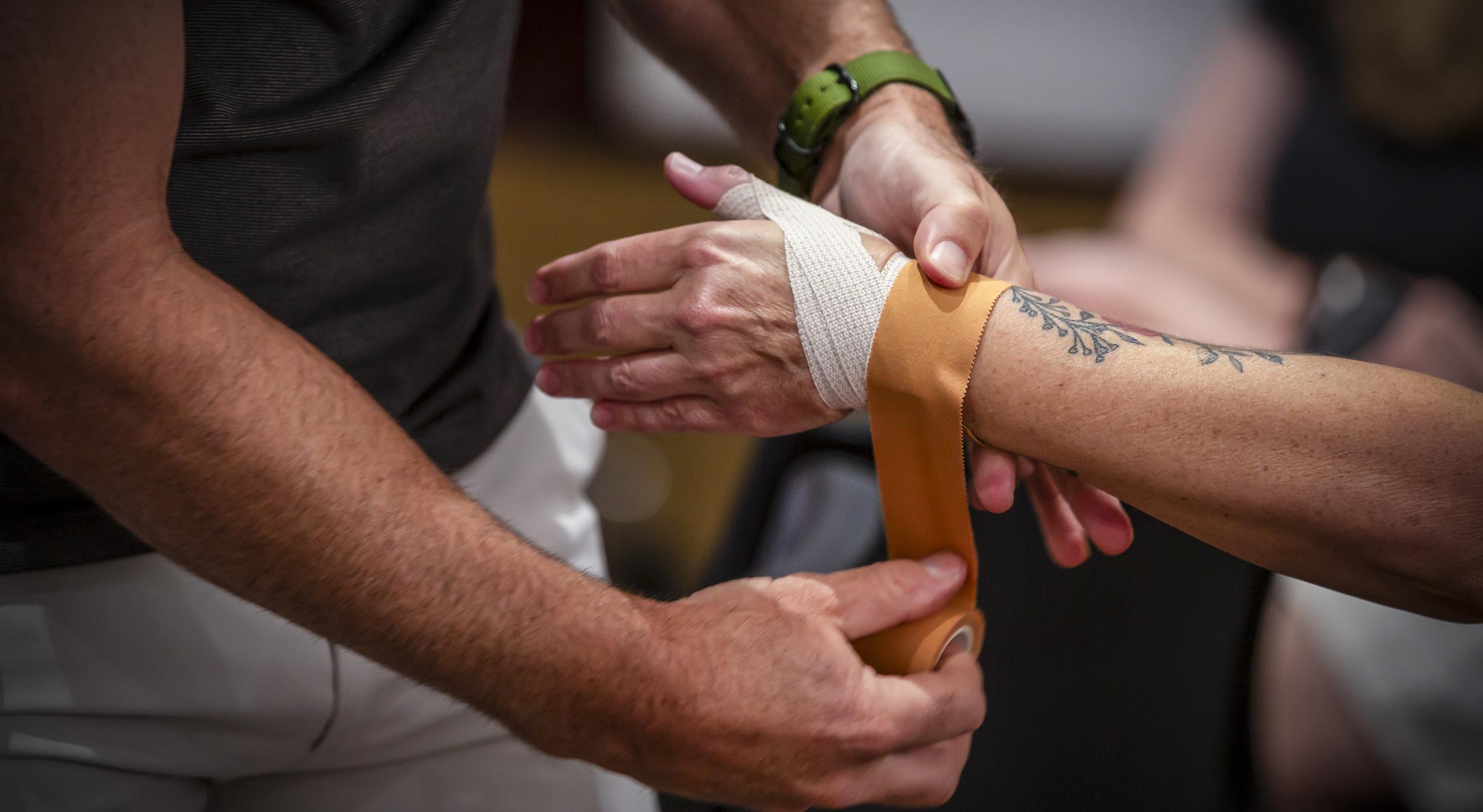
Sports Taping Course
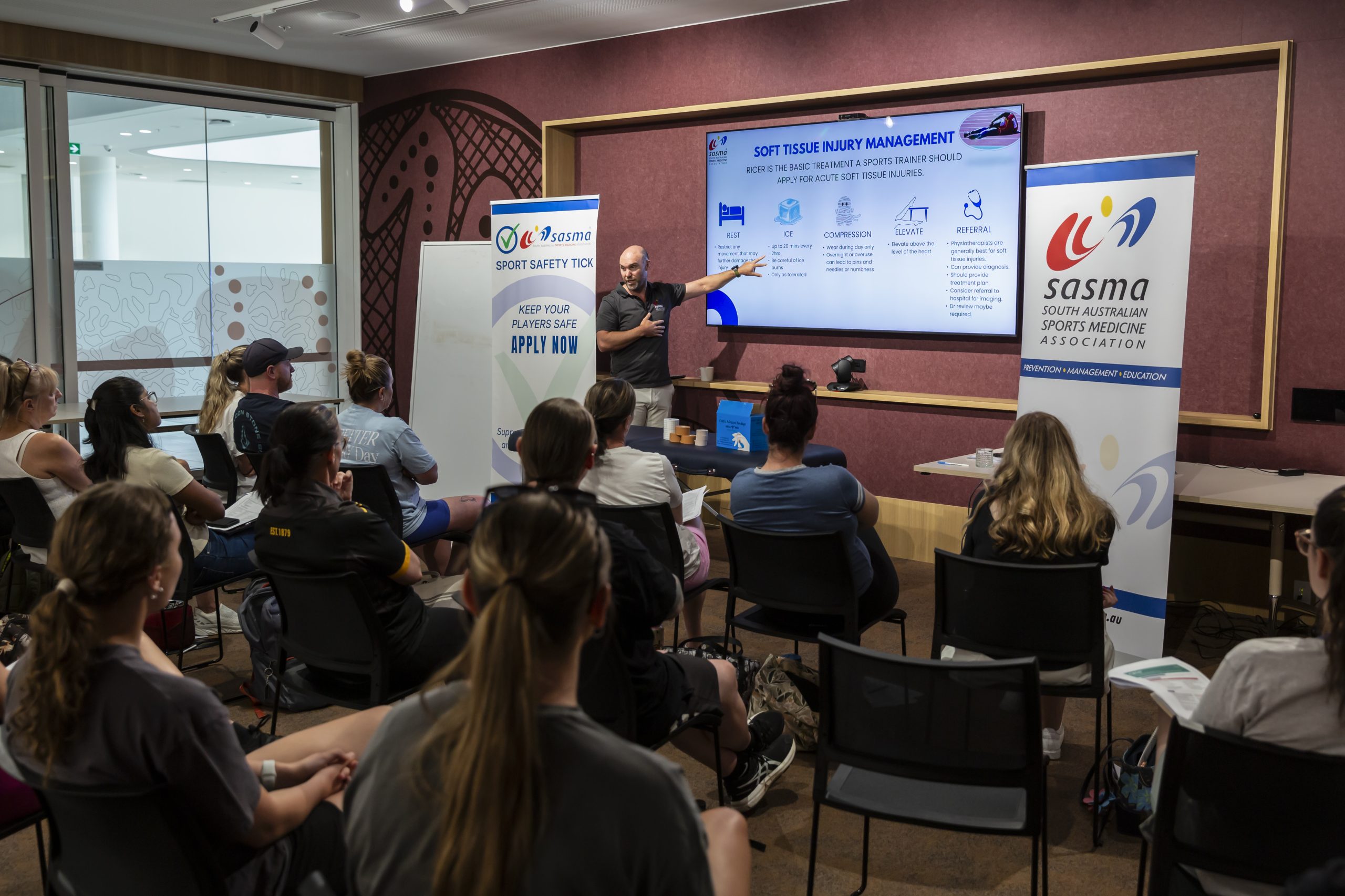
Level 1 Sports Trainer Course