Lifestage: Young Women
Age 18-40; Balancing act.
This is a great time to build healthy habits that can benefit you for years to come. Whether you’re studying, building your career, managing relationships or thinking about starting a family, looking after your health now can have a lasting impact on your wellbeing. This includes paying attention to your reproductive health, mental health and overall wellbeing, and staying up to date with health checks such as cervical screening and sexual health checks. Conditions such as PCOS, endometriosis, iron deficiency and anxiety are common and can affect how you feel day to day, so it’s important to seek support early if something doesn’t feel right.
Finding time to prioritise your health can be challenging when life is busy and you’re feeling tired or stretched between work, study or family commitments, small healthy choices can still make a big difference. Taking care of yourself now helps support your health, wellbeing and quality of life into the future.
Health Information
- Information on fertility, endometriosis, migraine and other health conditions and concerns are available at Jean Hailes for Women’s Health.
- Find resources on food and nutrition, contraception and fertility, mental health and more at The Women’s Royal Hospital.
- Women’s Health, Health Direct.
- Tips for eating healthy at home; visit The Royal Women’s Hospital for resources.
- Sample meal plan for women; visit Eat for Health for the plan.
- Eating for good health; visit Jean Hailes Foundation for information.
- What do portion sizes actually look like? visit the CSIRO Total Wellbeing Diet to learn more.
- Find information about mental health in young women at The Royal Women’s Hospital.
- Self care strategies to protect your mental wellbeing; visit Preventative Health SA
- Access information and support about family, relationships, domestic violence, housing, independence and more at Women’s Information Service.
- Looking after yourself, Raising Children Network.
- Emotional and practical services for carers, Carer Gateway.
- Health Checks for Women, visit Better Health Channel: for an overview.
- The Self-Care Check is a simple tool designed to help you strengthen your wellbeing: try the tool at Beyond Blue.
- Free cervical screening, ShineSA.
- Online self assessment tool to Know your bones.
- Endometriosis symptom checker; visit EndoZone to do a quick check.
- Self-care check is a simple tool to check your wellbeing; visit Beyond Blue for the tool.
- Finding skin cancer early, learn more at Cancer Council SA.
- Unsure what care you need? Use Health Direct Symptom Checker for help to deciding what to do next.
- Understand if you are at risk of an eating disorder by using the Butterfly Foundation tool.
- Bone Health; Jean Hailes for Women’s Health
- Breast health; Jean Hailes for Women’s Health:
- Endometriosis and Adenomysis, Endozone.
- Endometriosis and pelvic pain resources, Pelvic Pain Foundation of Australia.
- Endometriosis and pelvic pain clinics, find your local clinic.
- Find resources on contraception and fertility, The Women’s Royal Hospital.
- In the Know; Family Planning Australia.
- Learn about women’s health conditions, HealthDirect.
- Pain and pain management for adults, Better Health.
- Pregnancy, Shine SA.
- Pregnancy health & wellbeing, Raising Children Network.
- Pelvic floor health & pregnancy, Continence Health Australia.
- Preventing type 2 diabetes; learn more at Diabetes Australia.
- SA chronic pain clinics, find a location.
- When do I need to see my doctor about persistent pain? Better Health.
Physical Activity Information
Being physically active is one of the best things you can do for your health and wellbeing. Regular movement can improve your mood, boost your energy, reduce stress, strengthen your bones and muscles, and support your reproductive health.
This stage of life can be busy and demanding. Between work, study, relationships and family responsibilities, finding time and energy for exercise can be challenging. The good news is that physical activity doesn’t have to mean long gym sessions. Short bursts of movement throughout the day can still make a difference.
Activities such as walking, strength training, cycling and sport can help keep you strong and healthy. Building activity into your routine, along with allowing time for recovery, can also help reduce the risk of common injuries such as ankle sprains, knee injuries and stress fractures. By finding ways to move that fit your lifestyle and that you enjoy, you can build healthy habits that benefit you now and into the future.
- Find out how much activity young women should do each day, Movement Guidelines.
- Physical activity for women, Better Health Channel.
- Developing life skills through sports, Health Direct.
- Exercise with a friend, Better Health Channel.
- Exercise and staying active, The Royal Children’s Hospital Melbourne.
- Women are not small men (video) by Dr Stacey Sims.
- 5 reasons women should do weight training, Health + Wellbeing QLD.
- Sports bra tool: Breast Research Australia.
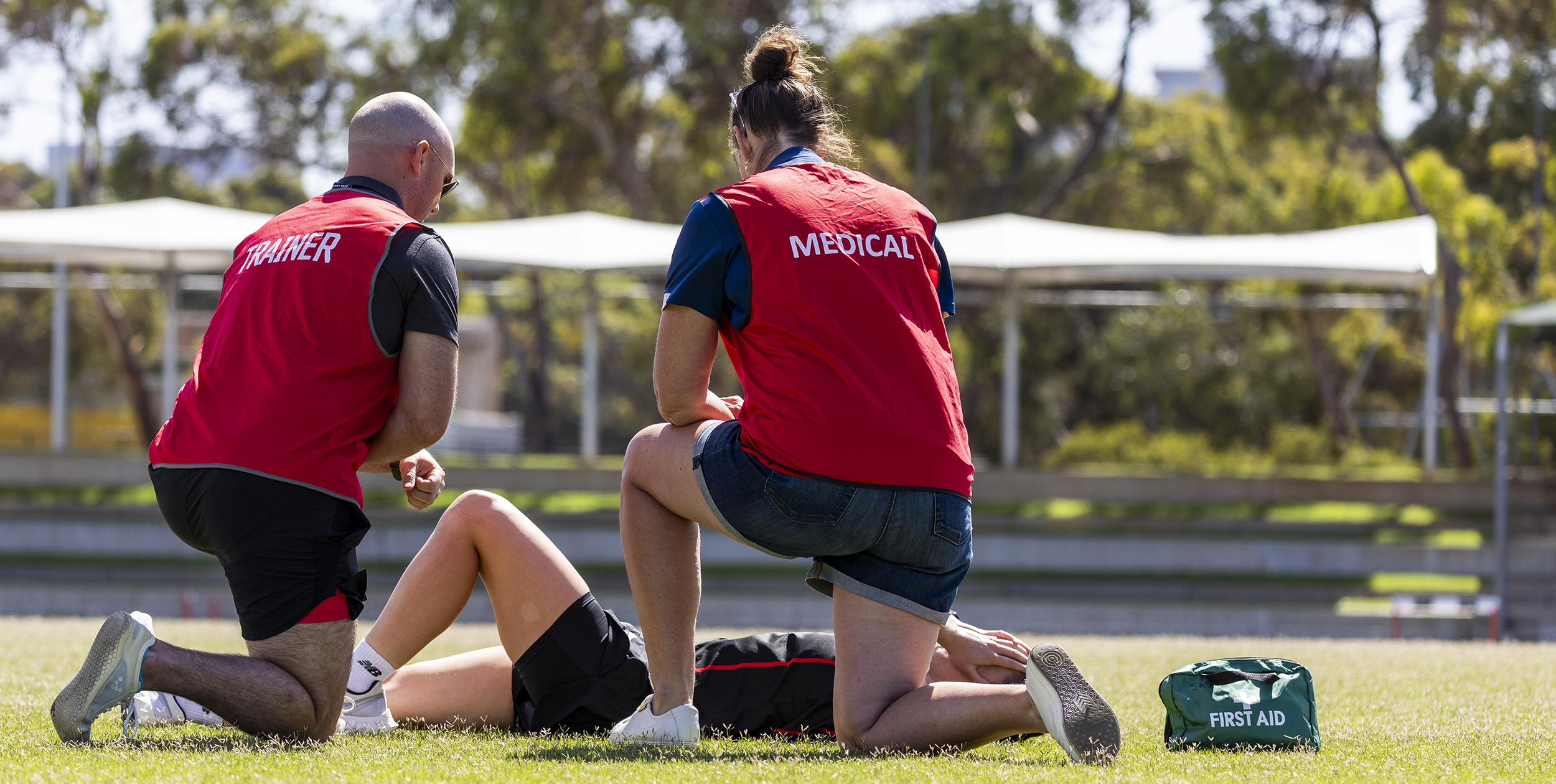
Common injuries that happen during this life stage and what to do to prevent &/or manage them.
- ACL and knee injuries
- AIS: Injury Prevention for women in sport.
- Injury Prevention Program Football Australia.
- Injury Prevention Exercises. Football Australia.
- Prep to Play – designed to reduce the risk of injuries and enhance performance Play AFL.
Prevention stategies may include;
- Strengthening glutes, hamstrings, and core muscles.
- Improving landing and cutting mechanics.
- Balance and proprioception training.
- Ensuring adequate nutrition and bone health.
- Gradually increasing training loads rather than sudden spikes in activity.
These are general injury prevention guidelines. Individual needs and risk factors vary, so consult a healthcare professional for personalised advice.
- Ways to improve your body image, The Royal Women’s Hospital.
- Body care -Every body is unique (PDF), Gymnastics.
- Improving your body image, Better Health Vic.
- How to get started, Better Health Channel.
- What’s your excuse? Better Health Channel.
- Free personal walking plan, Heart Foundation Walking.
- Exercise after birth, The Royal Women’s Hospital.
- Looking for clear steps to start moving, non-intimidating, simple suggestions that don;t overwhelm…not just the why they should exercise – how can they get started if they don’t have a role model, or low physical literacy etc.
- Pregnancy and physical activity: recommendations for pregnancy.
- How do I improve my motivation to exercise when I really hate it? Heart Research Institute.
Keep Moving
Looking for expert support, a modified way to be active, or opportunities to contribute from the sidelines as a coach, volunteer or official, then explore these resources that support ongoing involvement in sport and recreation, and help you find environments that are safe, welcoming and inclusive.
Learn more about other life stages
Courses and Events
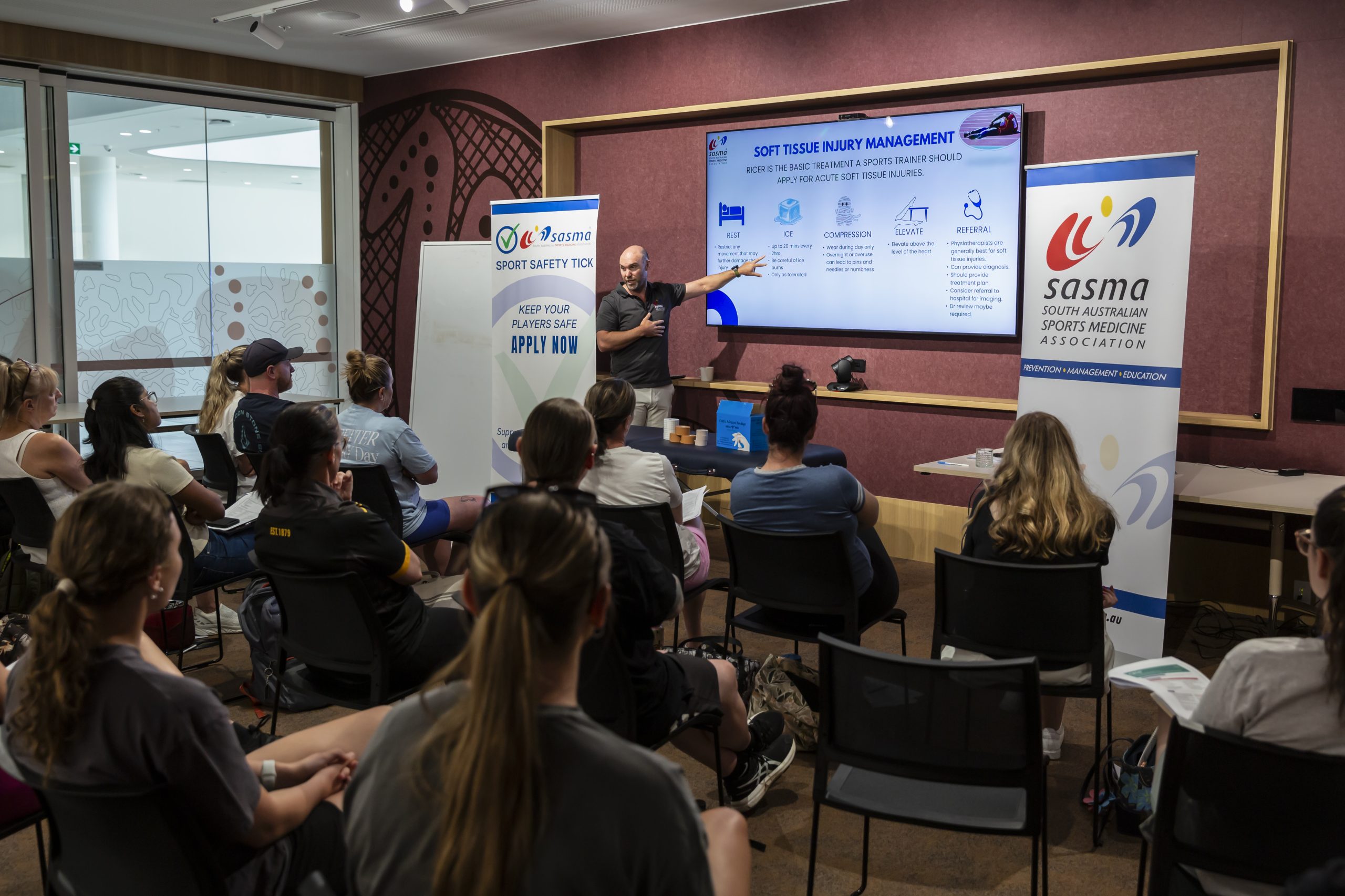
Sports Taping Course
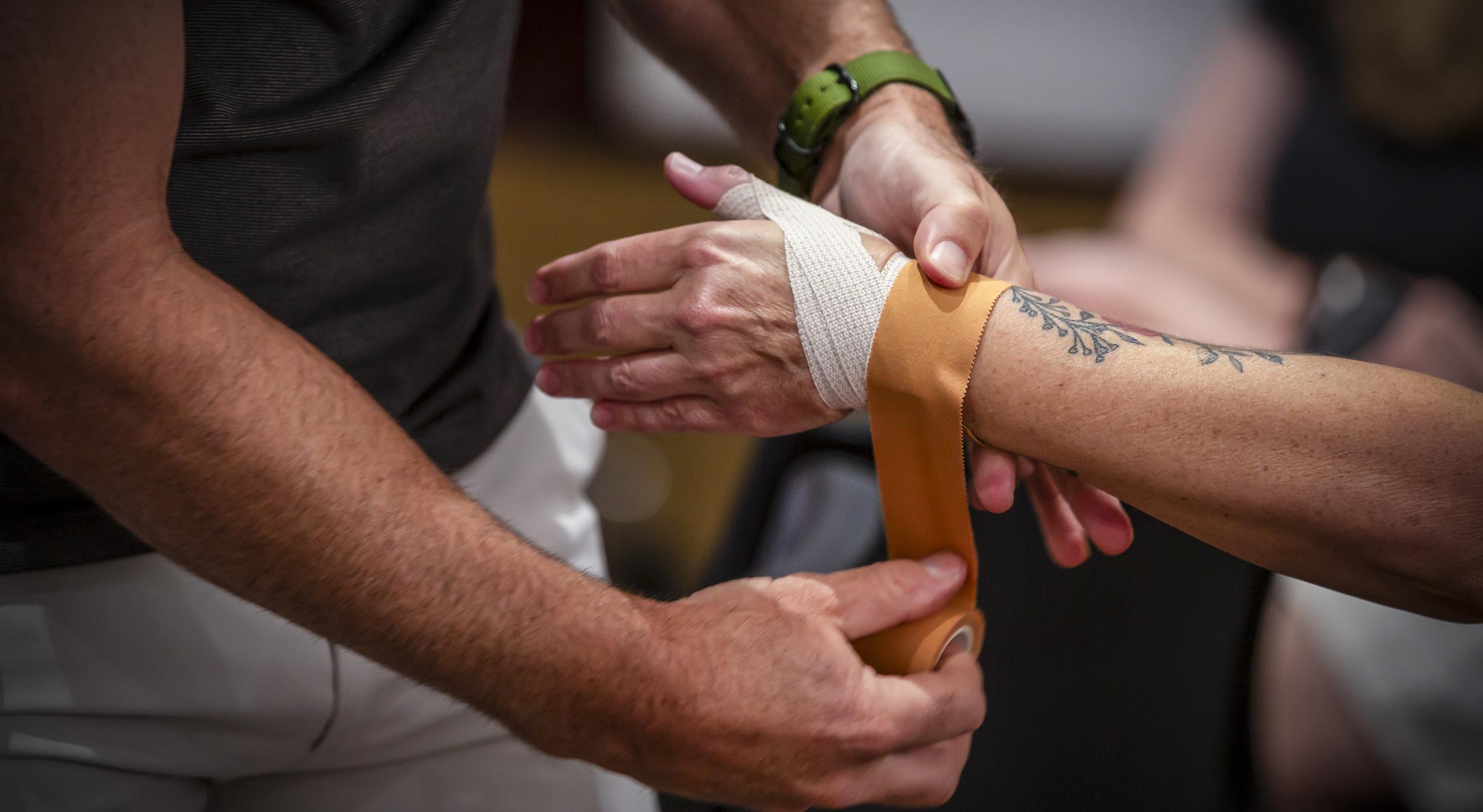
Level 1 Sports Trainer Course