Lifestage: Girls & Teens

Age 10-17; Bone building years.

There are lots of changes happening as your body grows and develops. It’s a great time to learn about your health, build confidence and develop healthy habits that can benefit you for the rest of your life. You may be learning more about periods, your changing body and how to look after your physical and mental wellbeing.

This is the best time to build strong, healthy bones. During childhood and adolescence, your bones are growing rapidly and becoming stronger. The bone strength you build now can help set you up for life. Regular physical activity, especially weight-bearing activities such as running, jumping and sport, along with a healthy diet that includes enough calcium and vitamin D, can help support strong bones.
 
It’s also normal to have days when you feel worried, stressed or unsure of yourself. Changes to your body, concerns about appearance and pressure from friends, school or social media can sometimes affect your confidence. You might feel uncomfortable trying new activities, wearing sports uniforms or worry about being judged by others. Remember that everyone develops differently, and there is no “right” way to look or grow.
 
Taking care of your health, asking questions and seeking support from trusted adults, friends, teachers or health professionals can help you navigate these changes with confidence. Building healthy habits now can help you feel stronger, happier and more resilient as you grow into adulthood.

Health Information

Physical Activity Information

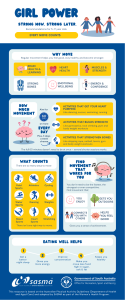
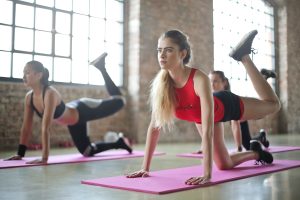
Being active is one of the best things you can do for your health, confidence and wellbeing. Regular physical activity helps you build strong bones and muscles, supports healthy growth and development, boosts your mood and energy levels, and can help you manage stress.

Being active isn’t always easy. Changes during puberty, concerns about body image, sports uniforms, periods, or worrying about being judged by friends, teachers or teammates can make it harder to join in. If this sounds familiar, you’re not alone.

The good news is that being active doesn’t have to mean playing competitive sport or being the fastest or best. Focus on finding activities that you enjoy and feel comfortable doing, whether that’s walking, dancing, swimming, gym workouts, social sport, active recreation or simply moving with friends. Every bit of movement counts. By choosing activities that make you feel good and supported, you can build confidence, stay healthy and develop habits that will benefit you throughout your life.
Common injuries that happen during this life stage and what to do to prevent &/or manage them.

Keep Moving

Looking for expert support, a modified way to be active, or opportunities to contribute from the sidelines as a coach, volunteer or official, then explore these resources that support ongoing involvement in sport and recreation, and help you find environments that are safe, welcoming and inclusive.

Learn more about each life stage

Courses and Events

School Progams

Sports Taping Course

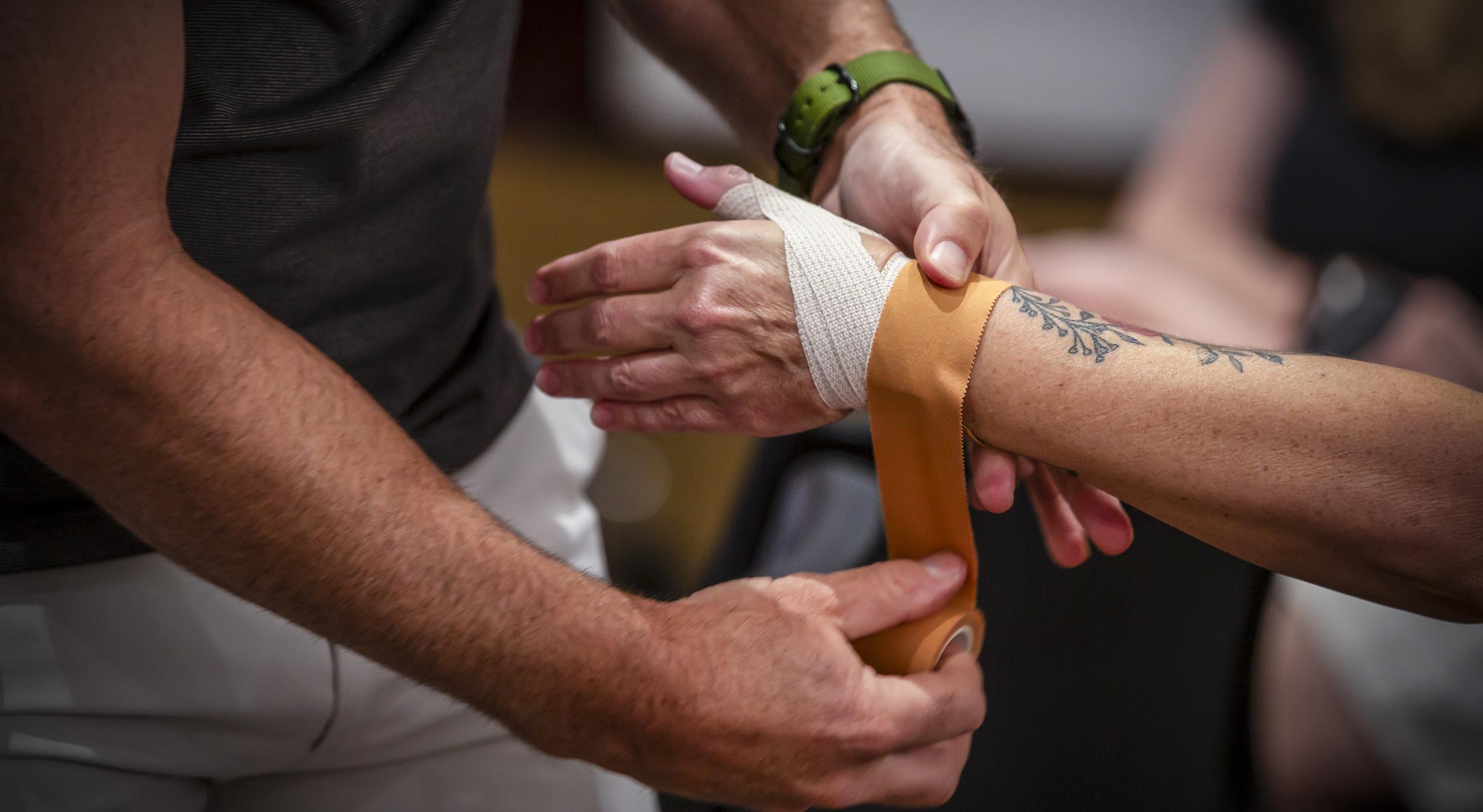
Sports Taping of the Thumb

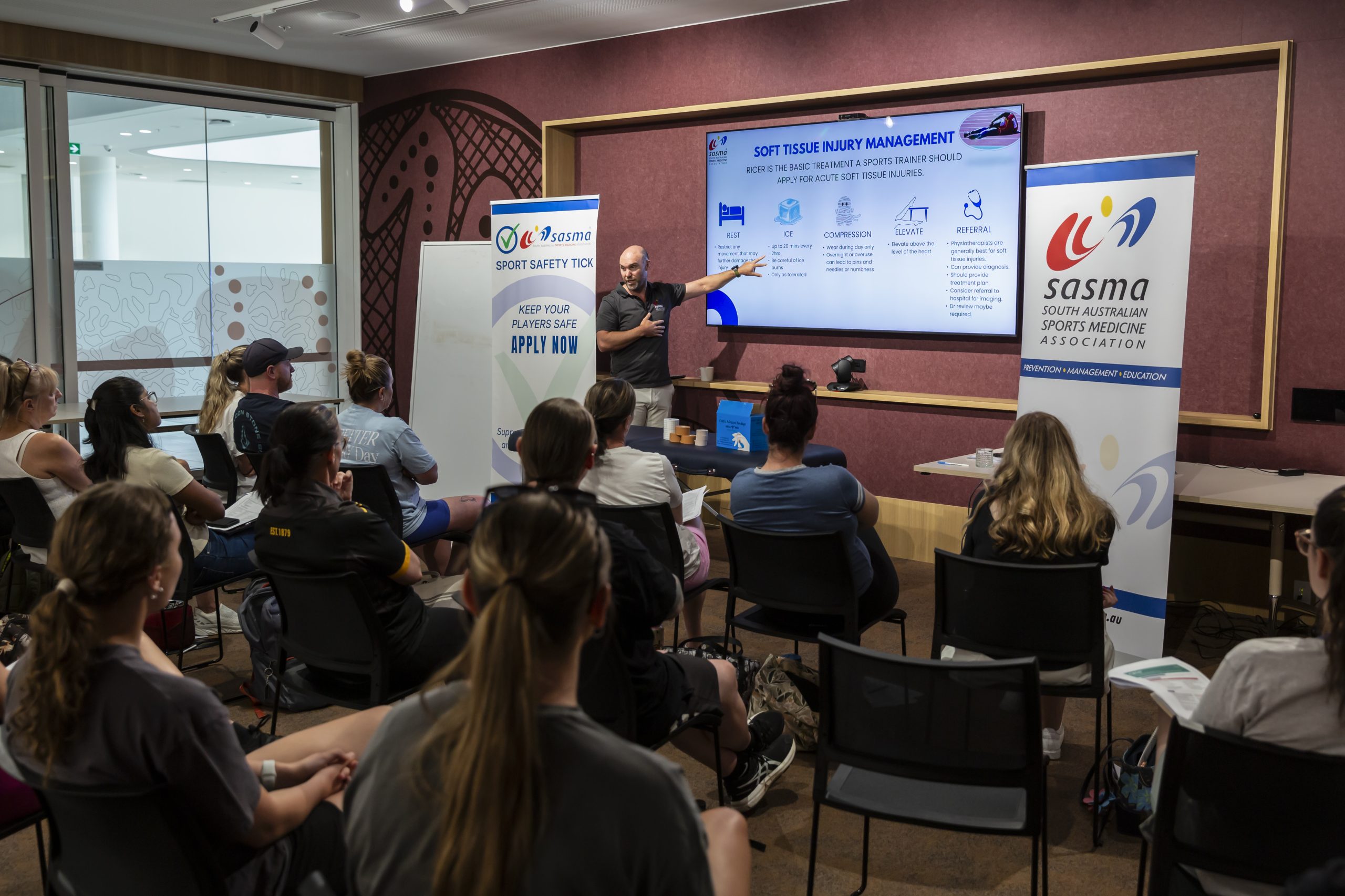
Level 1 Sports Trainer Course

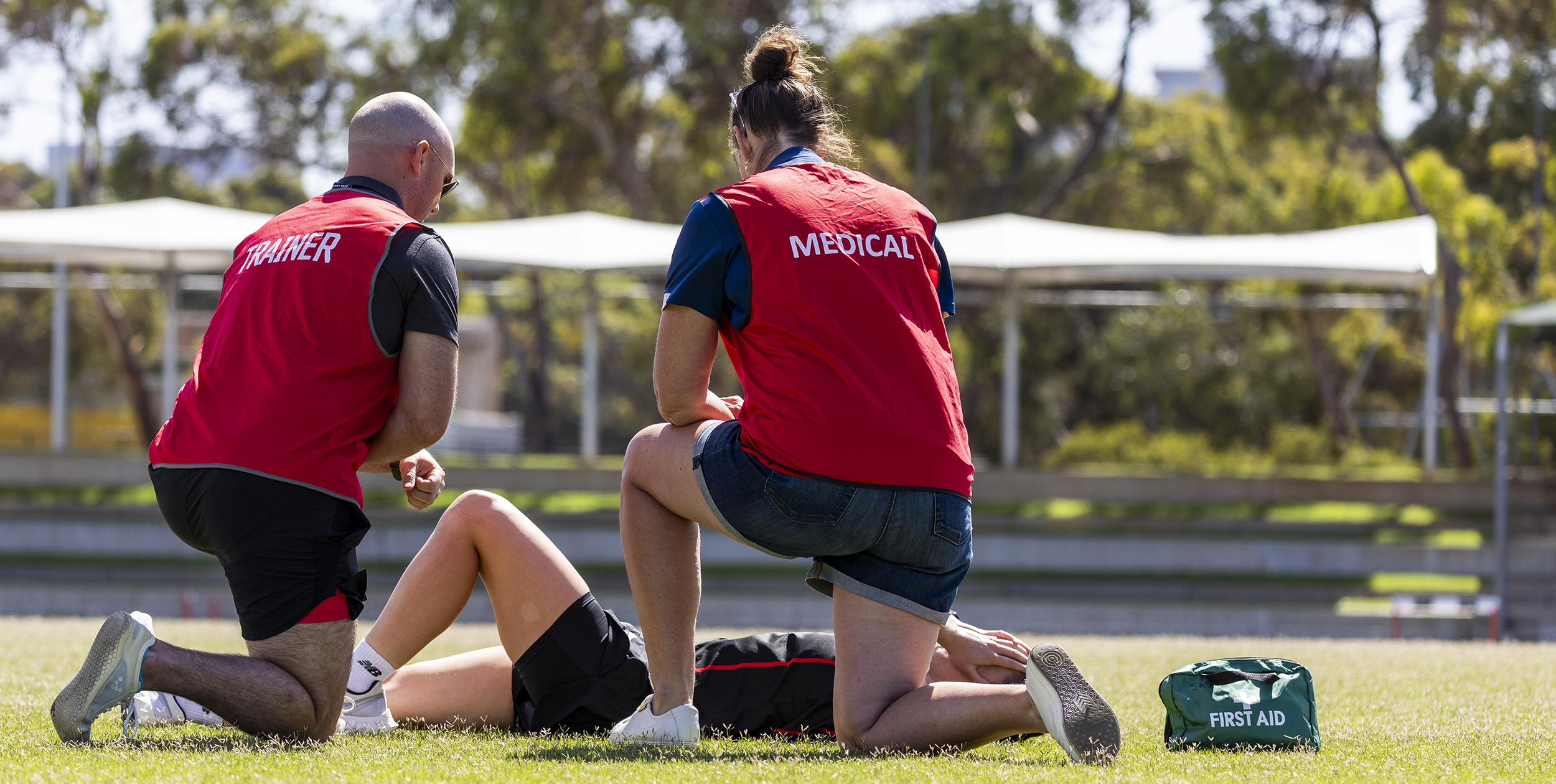
Sports Trainers assisting a player