Lifestage: Young Women

Age 18-40; Balancing act.

This is a great time to build healthy habits that can benefit you for years to come. Whether you’re studying, building your career, managing relationships or thinking about starting a family, looking after your health now can have a lasting impact on your wellbeing. This includes paying attention to your reproductive health, mental health and overall wellbeing, and staying up to date with health checks such as cervical screening and sexual health checks. Conditions such as PCOS, endometriosis, iron deficiency and anxiety are common and can affect how you feel day to day, so it’s important to seek support early if something doesn’t feel right.

Finding time to prioritise your health can be challenging when life is busy and you’re feeling tired or stretched between work, study or family commitments, small healthy choices can still make a big difference. Taking care of yourself now helps support your health, wellbeing and quality of life into the future.

Health Information

Physical Activity Information

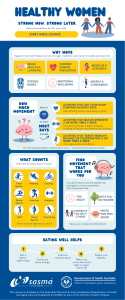
Being physically active is one of the best things you can do for your health and wellbeing. Regular movement can improve your mood, boost your energy, reduce stress, strengthen your bones and muscles, and support your reproductive health.

This stage of life can be busy and demanding. Between work, study, relationships and family responsibilities, finding time and energy for exercise can be challenging. The good news is that physical activity doesn’t have to mean long gym sessions. Short bursts of movement throughout the day can still make a difference.

Activities such as walking, strength training, cycling and sport can help keep you strong and healthy. Building activity into your routine, along with allowing time for recovery, can also help reduce the risk of common injuries such as ankle sprains, knee injuries and stress fractures. By finding ways to move that fit your lifestyle and that you enjoy, you can build healthy habits that benefit you now and into the future.
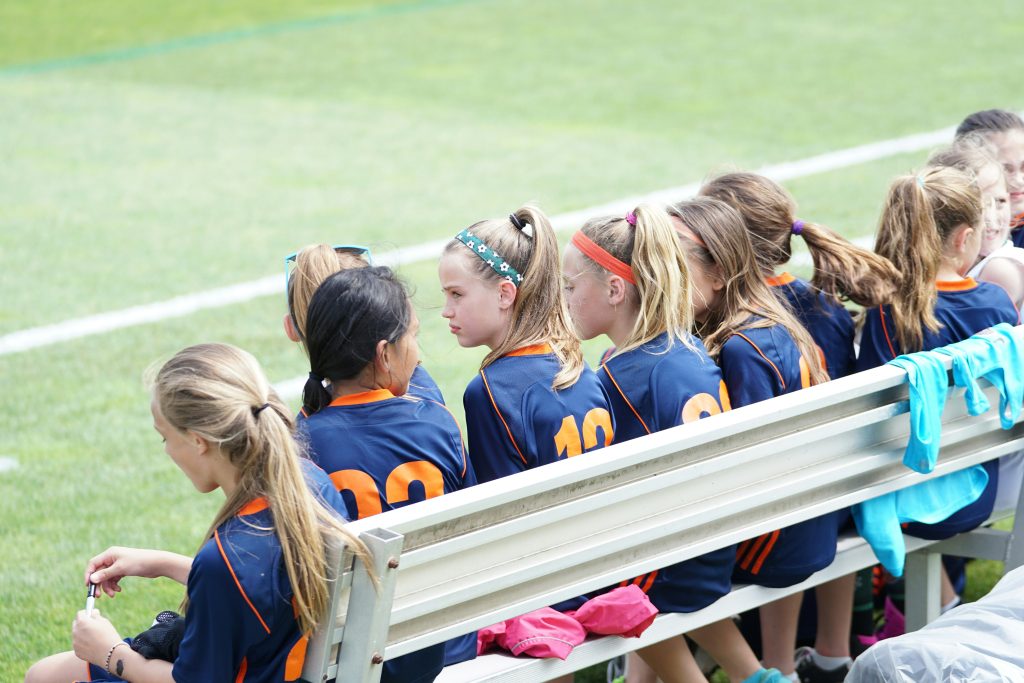

Common injuries that happen during this life stage and what to do to prevent &/or manage them.

Prevention stategies may include;

  • Strengthening glutes, hamstrings, and core muscles.
  • Improving landing and cutting mechanics.
  • Balance and proprioception training.
  • Ensuring adequate nutrition and bone health.
  • Gradually increasing training loads rather than sudden spikes in activity.

These are general injury prevention guidelines. Individual needs and risk factors vary, so consult a healthcare professional for personalised advice.

Keep Moving

Looking for expert support, a modified way to be active, or opportunities to contribute from the sidelines as a coach, volunteer or official, then explore these resources that support ongoing involvement in sport and recreation, and help you find environments that are safe, welcoming and inclusive.

Learn more about other life stages

Courses and Events

School Progams

Sports Taping Course

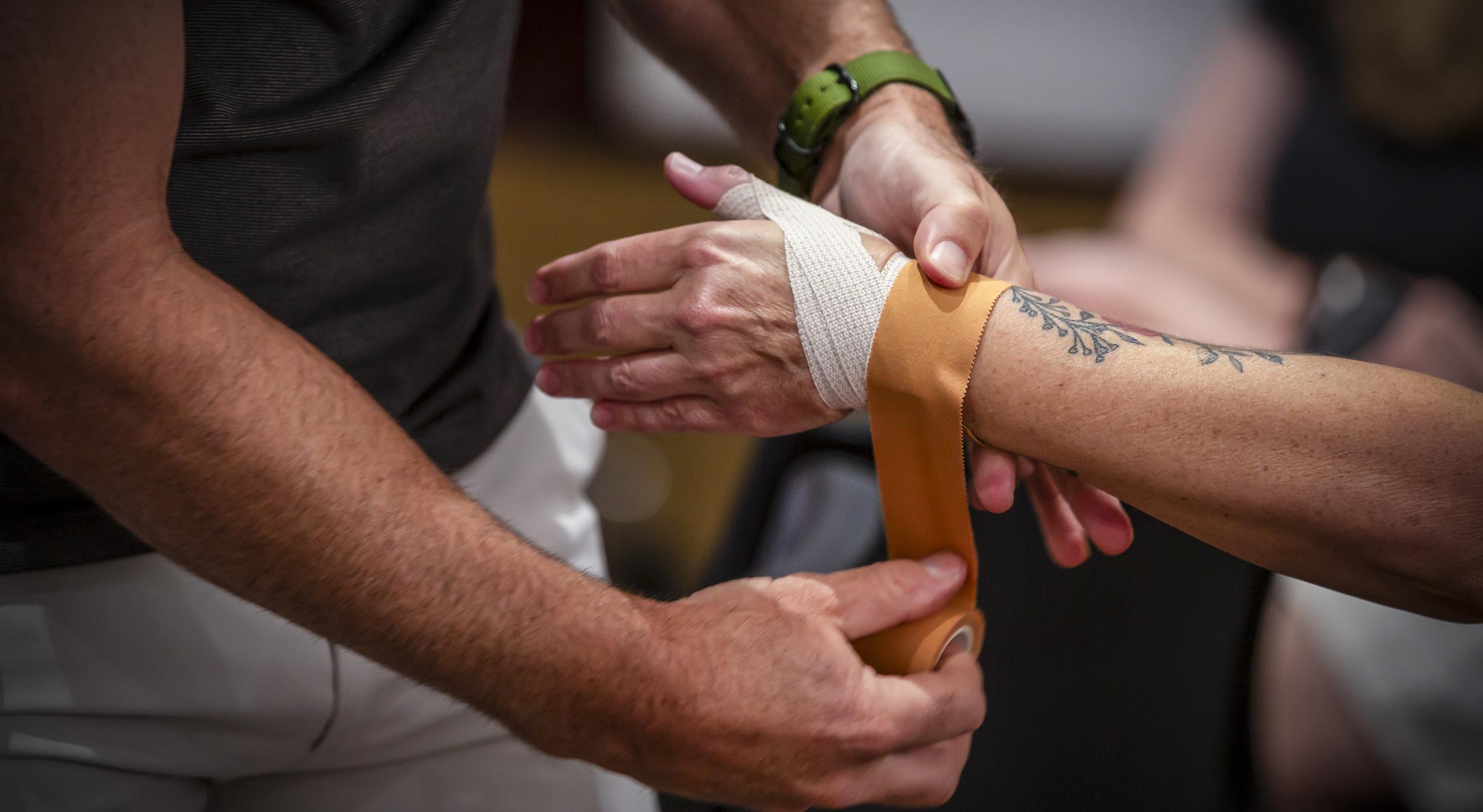
Sports Taping of the Thumb

Level 1 Sports Trainer Course

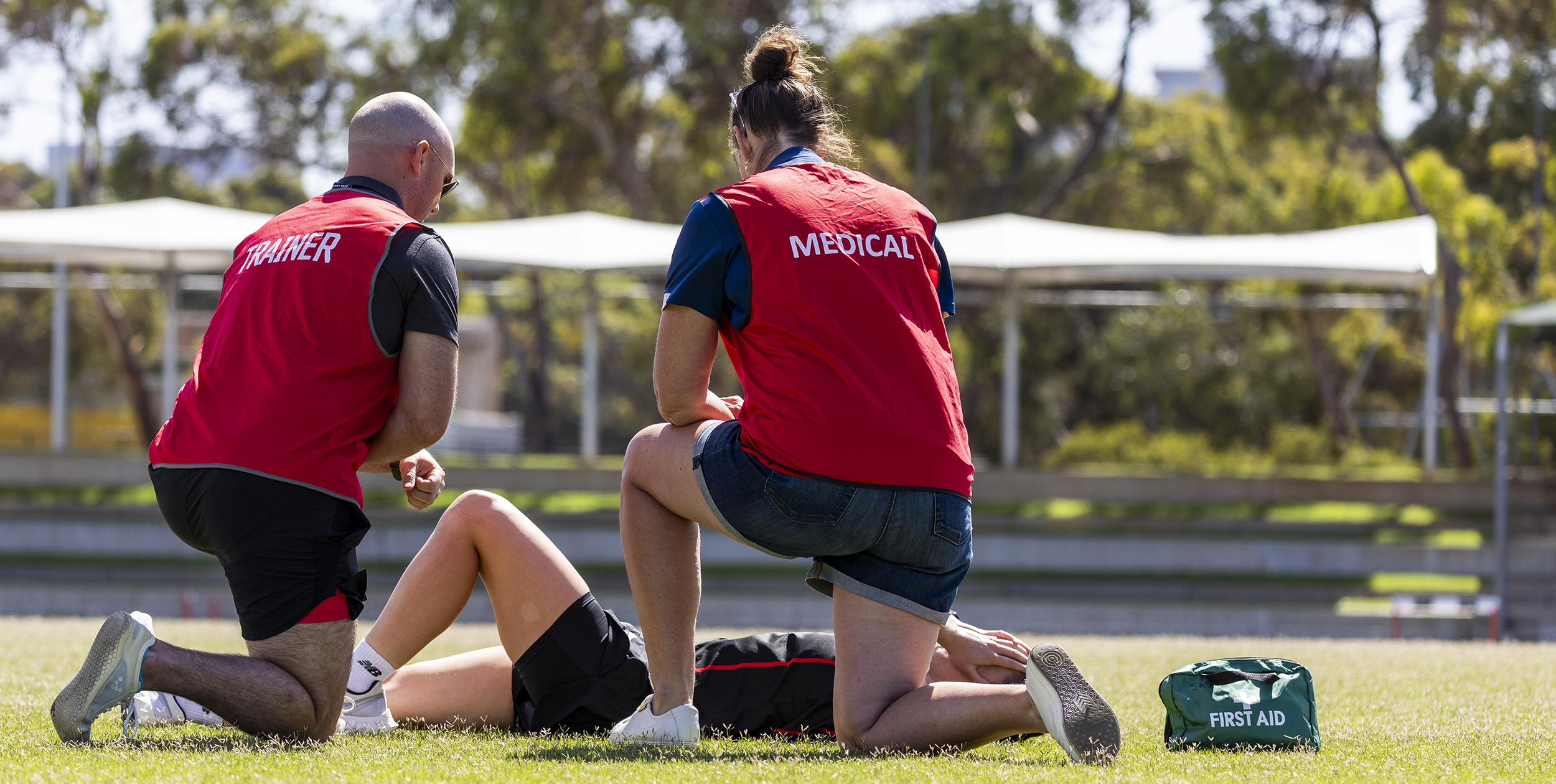
Sports Trainers assisting a player