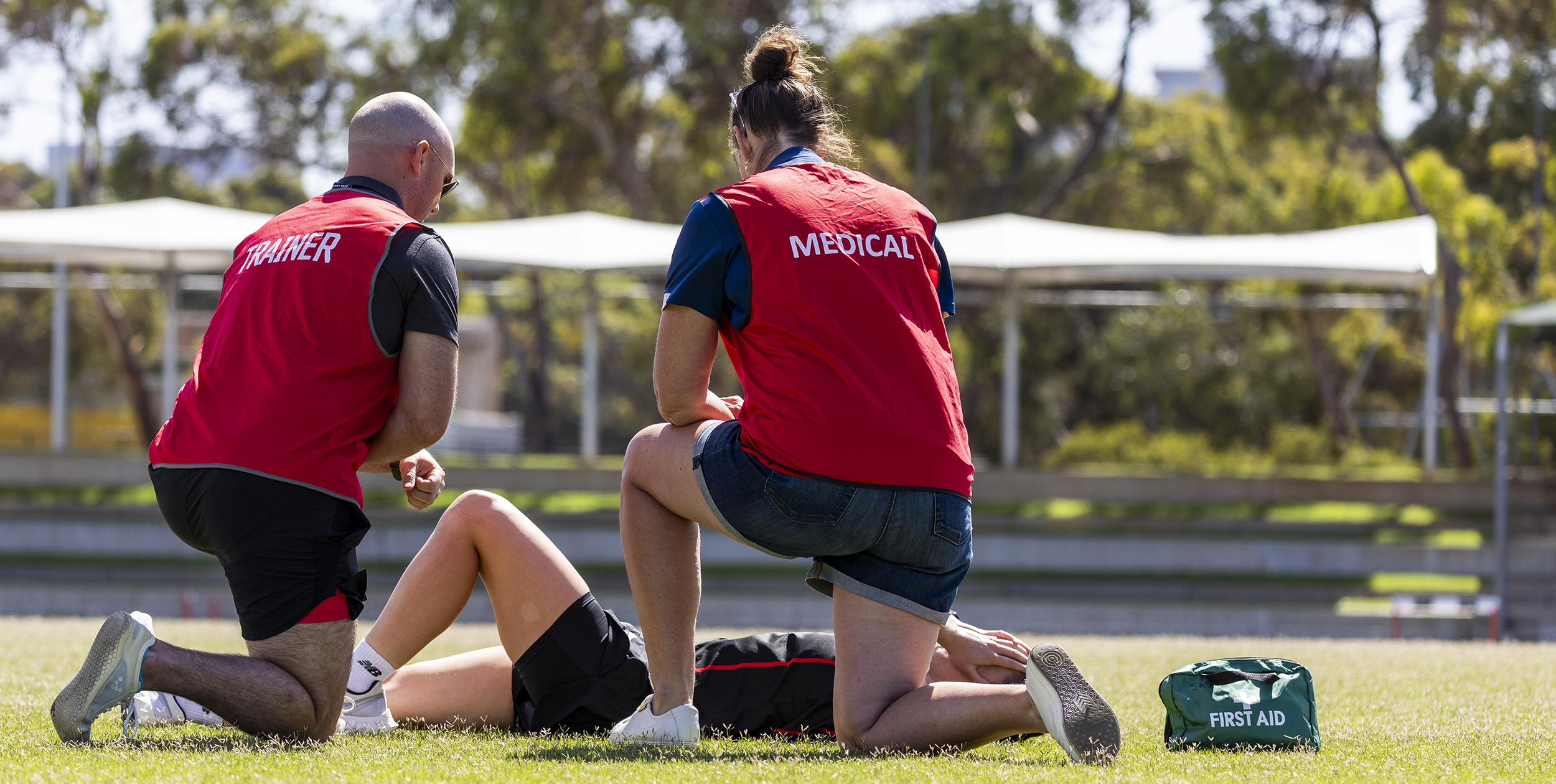
Lifestage: Midlife and Menopause
Age 40-70; Strong Transition.
Time to focus on your health and wellbeing and set yourself up for healthy ageing. This stage of life can bring changes to your hormones, which may affect your periods, sleep, mood, energy levels and body shape. You may also notice symptoms such as hot flushes and night sweats, and your risk of conditions like osteoporosis and heart disease starts to increase.
The good news is that there is a lot you can do to stay healthy and feel your best. Regular health checks, staying physically active, eating well, managing stress and getting enough sleep can all help you manage these changes. By taking positive steps now, you can protect your health, maintain your independence and continue doing the things you enjoy for years to come.
Health Information
- Bone, bladder and breast health, menopause, and other health conditions and concerns; visit Jean Hailes for Women’s Health for resources.
- Food and nutrition, bone and heart health, menopause, blood pressure, weight management and more; visit The Women’s Royal Hospital for resources.
- Menopause, visit Health Direct
- Menopause; visit The Australian Menopause Society for multilingual resources.
- Menopause; visit The US Menopause Society for resources.
- Tips for eating healthy at home; visit The Royal Women’s Hospital for resources.
- Sample meal plan for women; visit Eat for Health for the plan.
- Eating for good health; visit Jean Hailes Foundation for information.
- What do portion sizes actually look like? visit the CSIRO Total Wellbeing Diet to learn more.
- Five dietary tweaks for women over 50; visit Jean Hailes for the information.
- Self care strategies to protect your mental wellbeing; visit Preventative Health SA
- Access information and support about family, relationships, domestic violence, housing, independence and more; visit Women’s Information Service.
- Four ways to ease your mental load in midlife; visit Jean Hailes for Women’s Health for more information.
- Emotional and practical services for carers, Carer Gateway.
- Health Checks for Women; visit Better Health Channel for an overview.
- Perimenopause and menopause checklist: visit Jean Hailes for Women’s Health to access the checklist.
- Free breast screening for eligible SA women aged over 40, visit BreastScreenSA for the details.
- Free cervical screening; ShineSA telehealth and clinic services.
- Online self assessment tool; Know your bones.
- Finding skin cancer early; Cancer Council SA.
- Screen for bowel cancer from age 40: visit Bowel Cancer Australia for your home screening kit.
- The Self-Care Check is a simple tool designed to help you strengthen your wellbeing: try the tool at Beyond Blue.
- Not sure what care you need? use Health Direct Symptom Checker to help decide what to do next.
- Bone health; visit Jean Hailes for Women’s Health
- Breast health; visit Jean Hailes for Women’s Health information.
- Breast cancer prevention and risk; visit National Breast Cancer Foundation.
- Endometriosis and pelvic pain resources, Pelvic Pain Foundation of Australia.
- Endometriosis and pelvic pain clinics, find your local clinic.
- Find resources on heart and bone health, blood pressure, type 2 diabetes and more at The Women’s Royal Hospital.
- Heart conditions in women; visit the Heart Foundation for more information.
- Incontinence, Continence Health Australia.
- Learn about women’s health conditions at HealthDirect.
- Pain and pain management for adults, Better Health.
- Preventing type 2 diabetes; learn more at Diabetes Australia.
- Pelvic pain resources available at Pelvic Pain Foundation of Australia.
- SA chronic pain clinics, find a location.
- When do I need to see my doctor about persistent pain? Better Health.
Physical Activity Information
Staying physically active is one of the best things you can do for your health and wellbeing. Regular exercise can help reduce symptoms such as hot flushes, improve sleep, support your mood and help manage changes in weight and body shape.
Physical activity is also important for keeping your muscles and bones strong, helping to reduce the risk of osteoporosis, falls and fractures. Activities such as strength training, walking, jogging and dancing can support your bone, muscle and heart health.
Being active can also lower your risk of heart disease, type 2 diabetes and some cancers. By making movement a regular part of your routine, you can stay strong, healthy and independent, and continue doing the things you enjoy for years to come.
- Find out how much activity women in midlife should do each day; Movement Guidelines.
- Physical activity for women; Better Health Channel.
- Developing life skills through sports; Health Direct.
- Exercise with a friend; Better Health Channel.
- Women are not small men (video) with Dr Stacey Sims.
- 5 reasons women should do weight training; Health + Wellbeing QLD.
Common injuries that happen during this life stage and what to do to prevent &/or manage them.
- Broken bones caused by weak bones (osteoporosis)
- Injuries from falls, such as broken bones, bruises, or head injuries
- Shoulder injuries, including tears in the muscles and tendons that help you lift and move your arm
- Knee arthritis and other age-related knee problems
- Tendon injuries, which can cause pain and stiffness in areas like the shoulder, elbow, hip, or ankle
- Small cracks in bones (stress fractures) caused by weakened bones or repeated impact.
Key ways to reduce your risk of injury
- Stay strong and active with regular strength, balance, and weight-bearing exercise to support your bones, muscles, joints, and overall stability.
- Support your bone health by getting enough calcium, vitamin D, and protein, especially during and after menopause.
- Increase activity gradually and allow time for recovery to avoid overuse injuries to muscles, tendons, and bones.
- Take steps to prevent falls, such as maintaining good balance, wearing supportive footwear, and keeping your environment free from trip hazards.
- The Royal Women’s Hospital: Ways to improve your body image.
- Better Health Vic: Improving your body image.
- How to get started; Better Health Channel.
- What’s your excuse? Better Health Channel
- Free personal walking plan; Heart Foundation Walking.
- Looking for clear steps to start moving, non-intimidating, simple suggestions that don;t overwhelm…not just the why they should exercise – how can they get started if they don’t have a role model, or low physical literacy etc.
- How do I improve my motivation to exercise when I really hate it? Heart Research Institute.
Keep Moving
Looking for expert support, a modified way to be active, or opportunities to contribute from the sidelines as a coach, volunteer or official, then explore these resources that support ongoing involvement in sport and recreation, and help you find environments that are safe, welcoming and inclusive.
Learn more about other life stages
Courses and Events
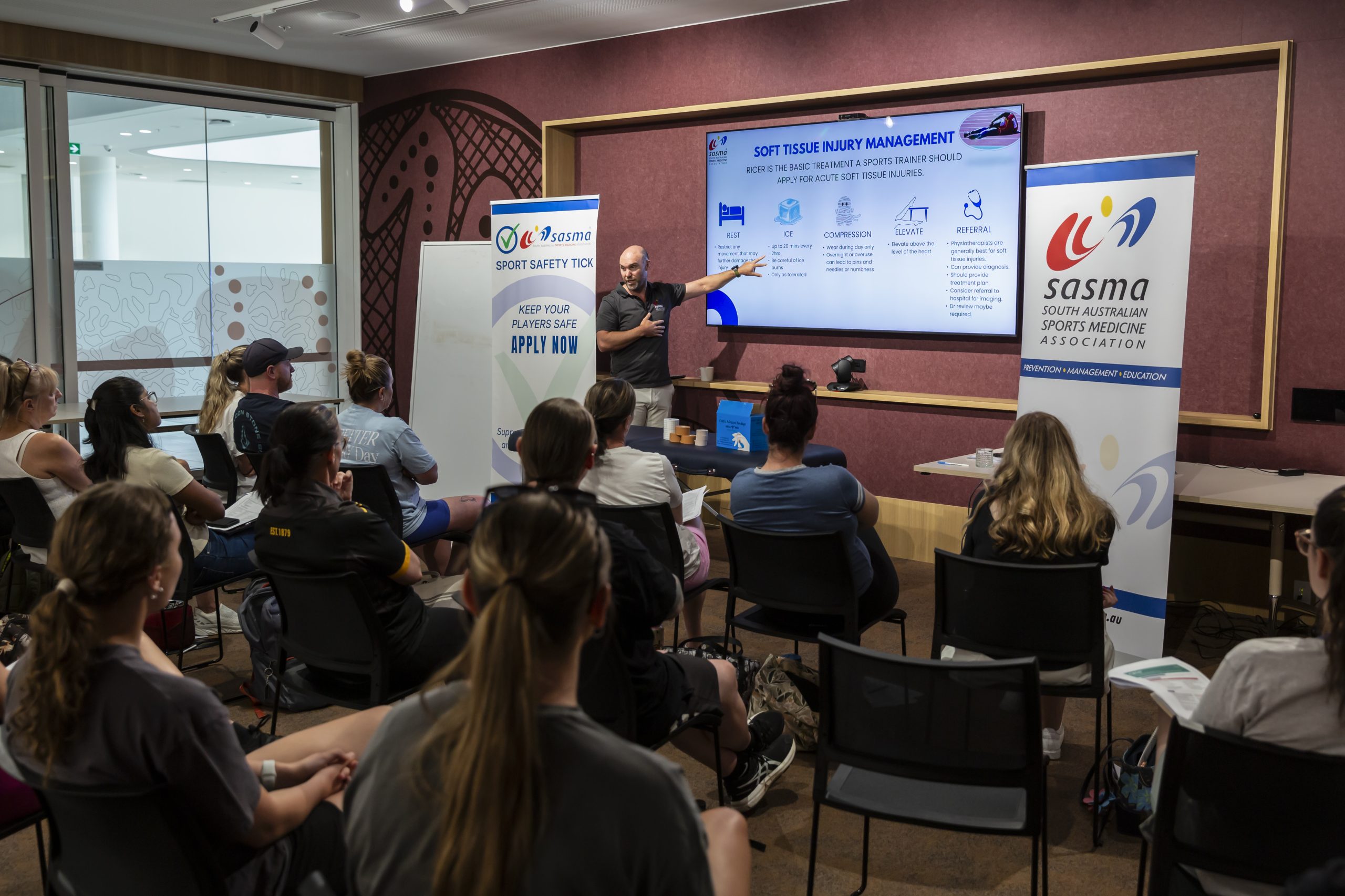
Sports Taping Course
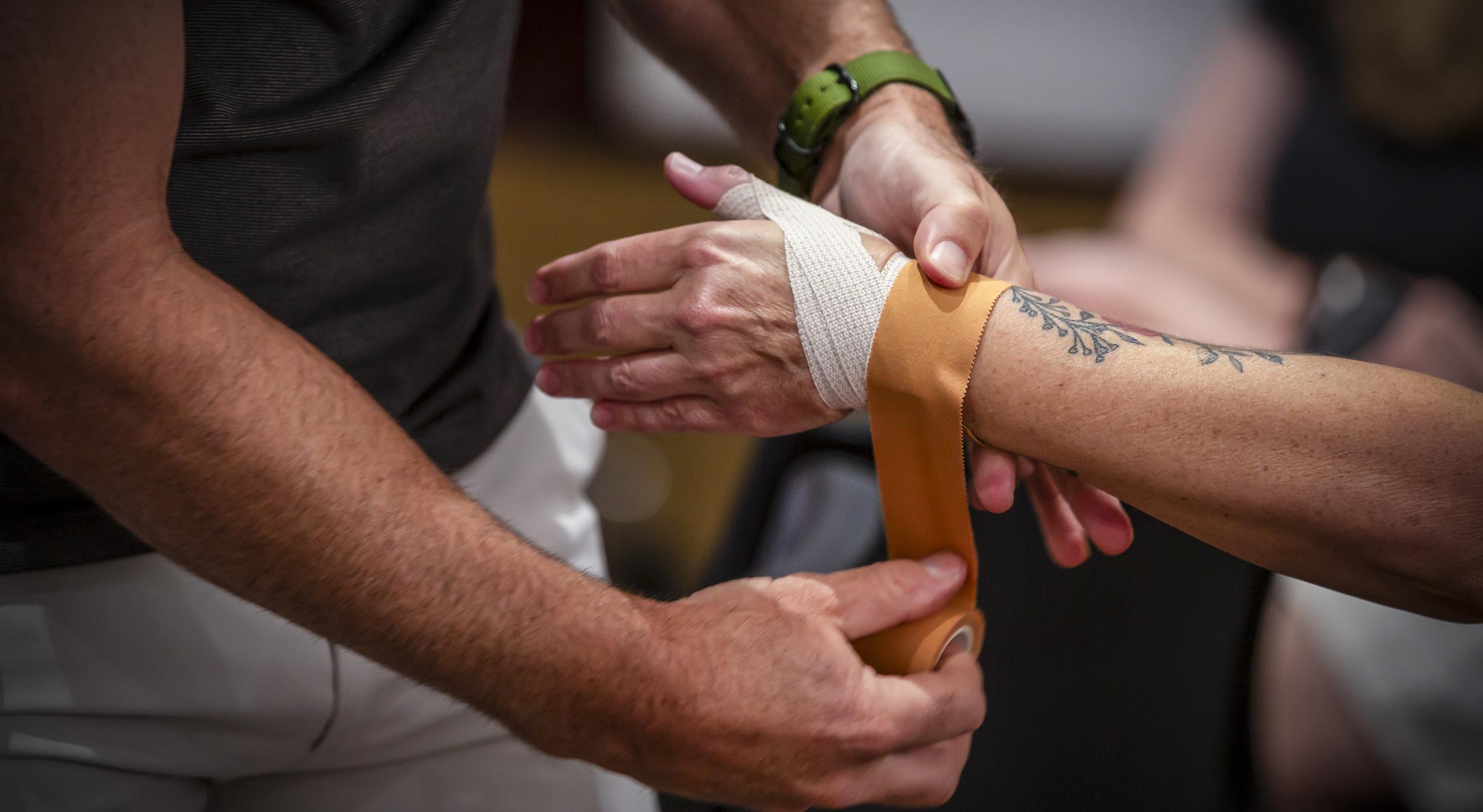
Level 1 Sports Trainer Course